Good Dark Web Sites: Top Picks for Users
This guide is for users seeking safe and reliable dark web resources, providing insights into the best sites available.

For most users, "Top Dark Web Sites for Users" is a suitable starting point, as it provides an overview of available resources. However, users seeking to protect their identity, such as whistleblowers, may find "Dark Web Resources for Whistleblowers" more relevant, as it includes platforms like SecureDrop (1). Those concerned about security should consult "Understanding Dark Web Security" and "Safe Exploration Tips" to minimize risks associated with dark web browsing (2).
Dark Web Site Selection Criteria
Security Measures
A reliable dark web site should have robust security measures, such as encryption and secure authentication. Check for 'https' in the URL and look for reviews or audits that verify the site's security claims [3].
Reputation and Reviews
The site's reputation among users is crucial; look for reviews on forums like Reddit's r/darknet or other trusted dark web communities. Be cautious of fake reviews and consider the overall sentiment across multiple sources.
Functional Availability
The site should be available and functional when you need it. Check the site's uptime status and user reports on downtime or issues to gauge its reliability.
Transparency about Practices
A trustworthy site is transparent about its practices, including data handling and user policies. Look for clear, accessible information on these topics within the site.
User Support
Effective user support is essential for resolving issues. Check if the site offers support through multiple channels and if responses are timely and helpful.
Comparative Table of Good Dark Web Sites
- Category
- Top Dark Web Sites for Users
- Safety Level
- Varies
- Legitimate Uses
- Yes
- Access Method
- Tor Browser
- Popular Sites
- Various .onion sites
- User Caution
- Phishing scams, malware
- Category
- Safe Exploration Tips
- Safety Level
- High
- Legitimate Uses
- N/A
- Access Method
- VPN + Tor
- Popular Sites
- N/A
- User Caution
- Use strong passwords, avoid personal info
- Category
- Dark Web Resources for Whistleblowers
- Safety Level
- High
- Legitimate Uses
- Yes
- Access Method
- Tor Browser
- Popular Sites
- SecureDrop, WikiLeaks
- User Caution
- Verify site legitimacy
- Category
- Popular Dark Web Categories
- Safety Level
- Varies
- Legitimate Uses
- Yes
- Access Method
- Tor Browser
- Popular Sites
- Marketplaces, forums, whistleblower sites
- User Caution
- Illegal activities present
- Category
- Understanding Dark Web Security
- Safety Level
- High
- Legitimate Uses
- N/A
- Access Method
- VPN + Tor
- Popular Sites
- N/A
- User Caution
- Stay updated on threats
- Category
- Frequently Asked Questions About Dark Web
- Safety Level
- N/A
- Legitimate Uses
- N/A
- Access Method
- N/A
- Popular Sites
- N/A
- User Caution
- Be aware of legal implications
- Category
- Dark Web Best Practices for Mobile Users
- Safety Level
- Low
- Legitimate Uses
- N/A
- Access Method
- N/A
- Popular Sites
- N/A
- User Caution
- Avoid using mobile devices
Top Dark Web Sites for Users
Several notable dark web sites cater to various user needs, balancing security and functionality. SecureDrop is a platform designed for whistleblowers, allowing them to submit documents to journalists while maintaining anonymity. This site emphasizes security, requiring users to follow strict protocols to protect sensitive information (1). WikiLeaks also serves a similar purpose, providing a space for leaking classified information, although it has faced scrutiny over the years regarding its impact on privacy and national security (4).
Another category includes marketplaces, which often facilitate the exchange of goods and services. These sites can range from legal products to illegal items, highlighting the necessity for users to exercise caution. Many marketplaces accept cryptocurrencies, which enhance anonymity during transactions (5). Users should be aware that while accessing these sites is not illegal, engaging in illicit activities can lead to legal consequences (6).
Forums on the dark web offer discussion spaces for various topics, including technology, privacy, and security. These forums can be invaluable for sharing knowledge and resources, but users must remain vigilant against potential scams and phishing attempts prevalent in these environments (2).
In 2023, the number of .onion sites exceeded 55,000, indicating a diverse range of content available for exploration (7). However, not all content is trustworthy; therefore, users should verify site legitimacy and maintain a cautious approach while navigating this complex landscape.
Safe Exploration Tips
Safety is paramount when navigating the dark web, which comprises over 55,000 .onion sites as of 2023 (7). Users should prioritize secure practices to avoid scams and protect their identities. Utilizing a combination of a Virtual Private Network (VPN) and the Tor Browser is recommended to enhance security. This dual-layer approach helps obscure the user's IP address and encrypts internet traffic, making it harder for tracking through means such as Tor exit node monitoring (8) (9).
Phishing scams and malware are prevalent threats on the dark web, necessitating vigilance (2). Users should be cautious when interacting with unfamiliar sites or links and should avoid providing personal information. Strong, unique passwords are essential to mitigate the risk of account breaches. Engaging in forums or marketplaces requires verifying the legitimacy of the site, as not all .onion domains are illegal; many serve legitimate purposes such as whistleblowing and privacy protection (10) (11).
Secure communication channels are vital for protecting sensitive information. Platforms like SecureDrop allow whistleblowers to submit documents securely to journalists (1). Users should be aware that while accessing the dark web is not illegal, participating in unlawful activities can lead to serious consequences (6). Therefore, maintaining an informed and cautious approach ensures a safer exploration of the dark web landscape.
Dark Web Resources for Whistleblowers
Whistleblowers seeking secure communication channels can find valuable resources on the dark web. One prominent platform is SecureDrop, which allows users to submit documents to journalists while preserving anonymity. The service emphasizes strict security protocols to protect sensitive information, making it a favored choice for those needing to report misconduct or share classified data without risking exposure (1).
Another notable resource is WikiLeaks, which has a long history of facilitating information leaks. However, it has faced criticism regarding its impact on privacy and national security, which may deter some users from utilizing its services (4). Both platforms serve legitimate purposes, demonstrating that not all .onion sites are associated with illegal activities (10).
While these resources are beneficial, there are limitations to consider. Users must be aware of potential risks, such as phishing scams and malware, which are prevalent in dark web environments (2). Employing a VPN alongside the Tor Browser can enhance security, as this combination helps obscure IP addresses and encrypts internet traffic (9).
These resources primarily cater to individuals who have a clear need for anonymity, such as journalists, activists, and those exposing wrongdoing. Accessing these sites is not illegal, but engaging in illicit activities on them can have serious legal implications (6). Users should remain vigilant and verify the legitimacy of any site they interact with, ensuring a safe experience while navigating these sensitive communication channels.
Popular Dark Web Categories
Dark web sites can be categorized into several key sections: marketplaces, forums, and informational resources. Each category serves distinct purposes and has varying levels of security and legitimacy.
Marketplaces are perhaps the most well-known category, often associated with the exchange of goods and services, ranging from legal to illegal items. They can be risky environments, as many accept cryptocurrencies for transactions, which enhances user anonymity but also attracts illicit activities. Caution is advised when navigating these sites, as engaging in illegal transactions can lead to serious legal consequences (6).
Forums provide a platform for discussions on various topics, including technology, privacy, and security. Users can share knowledge and resources, but they should remain vigilant against scams and phishing attempts, which are common in these spaces (2). The presence of a large number of .onion sites, exceeding 55,000 as of 2023, indicates a diverse range of content available, but not all of it is trustworthy (7).
Informational resources, such as whistleblower platforms, offer secure channels for individuals to report misconduct while maintaining anonymity. Services like SecureDrop allow users to submit documents to journalists securely, emphasizing the importance of privacy protection (1). While these resources are vital for individuals needing to share sensitive information, users must still be aware of potential risks associated with the dark web, including phishing scams and malware (2).
Overall, the dark web presents a mix of legitimate and illicit content, making it essential for users to verify site legitimacy and approach with caution.
Understanding Dark Web Security
Dark web security relies on specific technologies and practices to protect users' identities and data. The dark web is a segment of the internet not indexed by traditional search engines, accessible only through specialized software like the Tor Browser (3). This browser routes internet traffic through a network of servers, obscuring the user's IP address and providing anonymity while browsing .onion sites. As of 2023, there are over 55,000 .onion sites, ranging from marketplaces to forums and whistleblower platforms (7).
Despite the perception that the dark web is solely for illegal activities, many .onion sites serve legitimate purposes, including privacy protection and secure communication (10). However, engaging in illegal activities on these sites remains a significant risk, as law enforcement agencies can track user activities through various methods, including monitoring Tor exit nodes and cryptocurrency transactions (8). Therefore, while accessing the dark web itself is not illegal, caution is essential to avoid potential legal consequences (6).
Using a Virtual Private Network (VPN) in conjunction with the Tor Browser can further enhance security by adding an additional layer of encryption (9). This combination helps mitigate risks such as phishing scams and malware, which are prevalent in dark web environments (2). Users should also be aware of the limitations of mobile access; the Tor Project advises against using mobile devices for dark web browsing due to security concerns (12).
In summary, understanding dark web security involves recognizing the balance between anonymity and the potential risks associated with browsing .onion sites. Users must remain vigilant and informed to navigate this complex landscape safely.
Frequently Asked Questions About Dark Web
The dark web is a segment of the internet that is not indexed by traditional search engines and requires special software, such as the Tor Browser, to access (3). While it is often associated with illegal activities, many .onion sites serve legitimate purposes, including privacy protection and platforms for whistleblowers (10) (11). As of 2023, there are over 55,000 .onion sites available, reflecting a diverse range of content (7).
Accessing the dark web itself is not illegal; however, engaging in illegal activities on these platforms can lead to serious legal consequences (6). Law enforcement agencies, including the FBI, have the capability to track dark web activities through methods such as monitoring Tor exit nodes and cryptocurrency transactions (8). This highlights the importance of understanding the legal implications of actions taken on the dark web.
For enhanced security, users are encouraged to employ both a VPN and the Tor Browser together. This combination helps obscure IP addresses and encrypt internet traffic, providing an additional layer of protection against potential threats (9). Users should remain vigilant against phishing scams and malware, which are common risks in dark web environments (2).
The dark web is suitable for individuals seeking anonymity, such as journalists, activists, and whistleblowers. However, it is crucial to verify the legitimacy of sites before interaction to ensure safety and security. Overall, users should approach the dark web with caution, being aware of both its risks and its potential for legitimate use.
Dark Web Best Practices for Mobile Users
Accessing the dark web on mobile devices presents unique challenges and risks. While the dark web is accessible via mobile, using these devices can expose users to security vulnerabilities. The Tor Project specifically advises against mobile access due to concerns about the security of mobile devices and the potential for data leaks (12). For those who choose to browse on mobile, several best practices can help enhance safety.
Using a Virtual Private Network (VPN) in conjunction with the Tor Browser is crucial. This combination not only obscures the user's IP address but also encrypts internet traffic, adding a layer of protection against monitoring and tracking (9). Mobile users should also ensure that their devices are updated with the latest security patches to protect against vulnerabilities that could be exploited by malicious actors.
Phishing scams and malware are prevalent threats on the dark web, making it essential for users to remain vigilant. Avoiding links from untrusted sources and being cautious about sharing personal information can mitigate these risks (2). Strong, unique passwords should be employed for any accounts accessed on the dark web to further enhance security.
While exploring the dark web, users should be aware of the legal implications of their activities. Accessing the dark web is not illegal, but engaging in illegal actions can result in serious consequences (6). Therefore, maintaining a cautious and informed approach is vital for safe navigation.
Pros and Cons of Using SecureDrop for Whistleblowers
Strengths
- SecureDrop allows users to submit documents to journalists while preserving anonymity.
- The service emphasizes strict security protocols to protect sensitive information.
- It is a favored choice for those needing to report misconduct or share classified data without risking exposure.
What doesn't
- Users must still be aware of potential risks associated with the dark web, including phishing scams and malware.
- Employing a VPN alongside the Tor Browser is necessary to enhance security.
- Accessing these sites is not illegal, but engaging in illicit activities on them can have serious legal implications.
Conclusion: What to Choose
When navigating the dark web, users should prioritize resources that serve legitimate purposes, such as whistleblower platforms like SecureDrop. This service provides a secure channel for individuals to submit documents to journalists while maintaining anonymity, emphasizing strict security protocols to protect sensitive information (1). For users seeking additional resources, exploring curated lists on reputable sites can be beneficial.
For those new to the dark web, understanding the basics of dark web security is crucial. Employing a VPN alongside the Tor Browser can enhance security by adding an extra layer of encryption, helping to mitigate risks such as phishing scams and malware (9). Users should remain cautious and verify the legitimacy of any site they interact with.
For further guidance on safely accessing dark web resources, readers can refer to Tor Link Onion: Understanding the Basics. By being informed and taking necessary precautions, users can navigate the dark web more safely.
Q&A
- What are the top 5 dark web sites?
The dark web hosts various resources, including marketplaces, forums, and whistleblower sites. Popular categories include informational resources like SecureDrop, a platform for whistleblowers to submit documents to journalists securely (13) (1). As of 2023, there were over 55,000 .onion sites, indicating a diverse range of content available (7).
- Is it illegal to watch the dark web?
Accessing the dark web is not inherently illegal, but engaging in illegal activities on it is. Law enforcement agencies can track dark web activities through various means, including Tor exit node monitoring and cryptocurrency tracking (6) (8).
- Can the FBI track the dark web?
The FBI can track dark web activities through various means, including monitoring Tor exit nodes and cryptocurrency transactions. This capability highlights the importance of understanding the legal implications of actions taken on the dark web (8).
- Are all .onion sites illegal?
Not all .onion sites are illegal; many serve legitimate purposes such as whistleblowing and privacy protection. The Tor Project emphasizes the importance of .onion sites for secure communication and anonymity (10).
Explore More Dark Web Resources
Discover additional guides and insights on safe dark web usage.
View More ArticlesWhere to look next. These services are useful starting points for further research. Resources
Explore more
 Links Da Dark Web 2026: Current ResourcesDiscover the latest dark web links for 2026, featuring current resources and navigation guides for safe exploration.
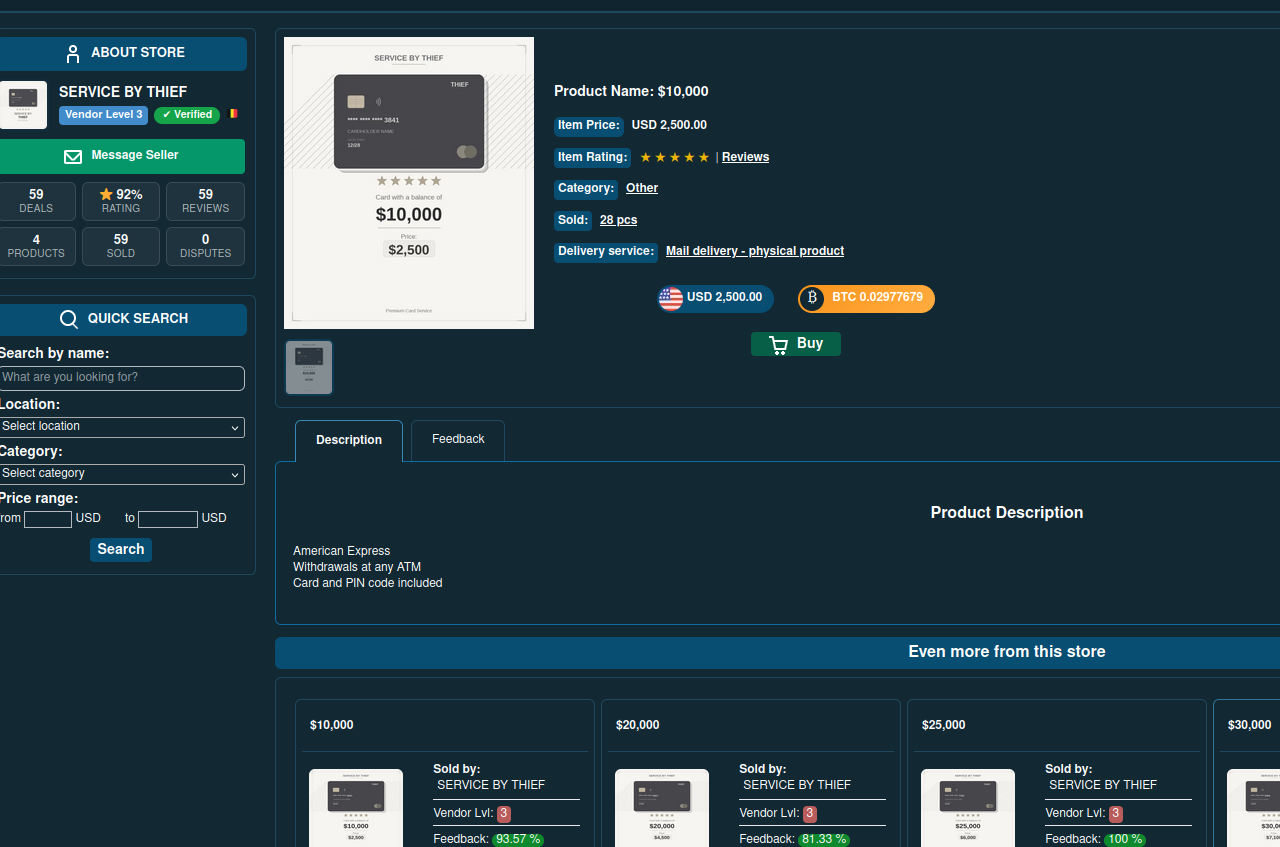 ATM Skimming Incident: A Cloned Card Case Study and Its ImplicationsA case study on Mark T., who attempted carding but was caught through advanced ATM surveillance and investigative measures.
 Dark Web Hacking: Understanding Risks and TechniquesExplore dark web hacking techniques and understand the associated risks to enhance your cybersecurity knowledge and protect your digital as…