Tor for Deep Web: Accessing Safely
This guide is for individuals seeking safe methods to explore the deep web with Tor, focusing on privacy and security.

To access the deep web safely using Tor, use the Tor Browser, the recommended way to access the Tor network (1). Key precautions include:
Understanding Tor and Deep Web
Tor, short for "The Onion Router," is a specialized network designed to enhance online anonymity. It achieves this by routing internet traffic through a series of volunteer-operated servers, known as relays, which encrypt the data multiple times. This layered encryption is where the term "onion" comes from. The primary purpose of Tor is to enable users to browse the internet without revealing their identity or location, making it a popular tool for privacy-conscious individuals. As of now, there are over 2 million daily users of the Tor network (5).
The deep web refers to parts of the internet that are not indexed by standard search engines like Google. This includes databases, private corporate sites, and other content that requires specific access permissions. In contrast, the dark web is a subset of the deep web that has been intentionally hidden and is inaccessible through standard web browsers. It often involves .onion sites, which require the Tor Browser for access. While accessing the dark web is not illegal, it is essential to navigate it with caution due to the potential for encountering illegal activities (6).
Understanding the distinction between the deep web and dark web is crucial for users. The deep web comprises legal and legitimate content that simply isn't indexed, such as academic databases or medical records. Conversely, the dark web is associated with more illicit activities, including black markets and forums for illegal exchanges. However, not all content on the dark web is illegal; some users seek it for privacy reasons.
Users should be aware of the limitations of Tor. While it provides strong anonymity, it is not infallible. Techniques exist to deanonymize users, particularly if additional identifying information is shared (7). To enhance security, using a Virtual Private Network (VPN) alongside Tor is advisable (8). Regular updates to the Tor Browser help address security vulnerabilities, making it a safer option for accessing both the deep and dark web (9).
Safety Precautions
Accessing the deep web requires careful consideration of safety precautions. While the Tor network provides a degree of anonymity, it is not impervious to all threats. Users face risks such as exposure to malicious software, phishing attacks, and potential legal issues. Understanding these risks is essential for a safe browsing experience.
Common threats include malware, which can be encountered by downloading files from untrusted sources. Statistics indicate that malware attacks are prevalent on the dark web, with many sites hosting malicious content (2). Additionally, the potential for deanonymization exists; the FBI has developed techniques to identify Tor users under certain conditions (7). Such risks highlight the importance of exercising caution while navigating .onion sites.
To enhance safety when accessing the deep web, consider the following general tips:
Use the Tor Browser: The Tor Browser is specifically designed for accessing the Tor network and is regularly updated to address security vulnerabilities (1) (9).
Avoid downloading files: Refrain from downloading any files or software from untrusted sources to minimize the risk of malware infection (2).
Utilize a VPN: Combining a VPN with Tor can enhance anonymity by adding an extra layer of encryption (8).
Be aware of legal restrictions: Some jurisdictions have laws that restrict or ban the use of Tor, which may lead to legal consequences (4).
Exercise caution with personal information: Do not share personal details or identifiable information while browsing to maintain anonymity.
By following these safety precautions, users can reduce their exposure to risks and navigate the deep web with greater security.
Configuring Tor for Safe Access
Configuring the Tor Browser properly is essential for safe browsing on the deep web. The Tor Browser is specifically designed to access the Tor network and is regularly updated to address security vulnerabilities, making it a reliable choice for users (1) (9). To ensure optimal security, users should follow specific configuration steps.
First, it is crucial to keep the Tor Browser and its components up-to-date. Regular updates not only enhance security but also improve the overall performance of the browser. Users can enable automatic updates within the browser settings to ensure they are always using the latest version. This practice is vital, as new vulnerabilities and threats emerge constantly, requiring users to adapt promptly (9).
In addition to keeping the browser updated, users should consider integrating other security tools with Tor. For instance, using a Virtual Private Network (VPN) can further enhance anonymity by encrypting internet traffic before it reaches the Tor network (8). This dual-layer encryption makes it significantly more challenging for potential adversaries to track users. However, selecting a reliable VPN provider is essential, as some may log user activity, negating the benefits of using Tor.
When browsing .onion sites, users should also utilize search engines tailored for the dark web, such as Ahmia or DuckDuckGo (Onion), which index .onion content and help users navigate safely (10). It is advisable to avoid accessing untrusted sites or downloading files from them, as this can lead to malware infections (2). Users should always be cautious about the information they share, even in seemingly secure environments, as the risk of deanonymization exists (3) (7).
By following these guidelines and maintaining an awareness of security practices, users can safely navigate the deep web while taking full advantage of the anonymity that the Tor network offers.
Navigating the Deep Web Safely
Navigating the deep web requires awareness of potential threats and the implementation of safety mechanisms. While the Tor Browser offers strong anonymity, it does not guarantee complete security against all possible attacks (3). Users should adopt strategies to identify and avoid risks while utilizing deep web search engines effectively.
Awareness of common threats is essential. Malware is a significant risk, especially when downloading files from untrusted sources. Reports indicate that many sites on the dark web harbor malicious content, making it crucial to refrain from any downloads unless the source is verified (2). Additionally, legal risks exist; while accessing the dark web is not illegal, engaging in illicit activities can lead to serious consequences (6).
To navigate safely, consider the following tips:
Use trusted search engines: Engines like Ahmia and NotEvil are designed for .onion sites, allowing users to find content without exposing themselves to unnecessary risks (10).
Avoid personal information disclosure: Maintaining anonymity is vital. Sharing identifiable information can lead to deanonymization, which is a concern even on seemingly secure sites (7).
Utilize a VPN: Implementing a Virtual Private Network alongside Tor can enhance anonymity by adding an additional layer of encryption, making user tracking more difficult (8).
Regularly update the Tor Browser: Keeping the Tor Browser current is crucial for security, as updates often address vulnerabilities that could be exploited by malicious actors (9).
By following these guidelines, users can improve their safety while exploring the deep web. Understanding the nature of the content being accessed and exercising caution significantly contribute to a secure browsing experience.
Deep Web Search Engines
Accessing the deep web effectively requires using specialized search engines that index .onion sites. Popular options include Ahmia, NotEvil, and DuckDuckGo (Onion). Each has its strengths and weaknesses, which can significantly impact the user experience.
Ahmia is known for its user-friendly interface and ability to filter out illegal content. It allows users to search for .onion sites while maintaining a level of safety. However, it may not cover all available .onion content, leading to potential gaps in search results (10). NotEvil offers a more extensive database of .onion sites and is praised for its comprehensive indexing. Despite this, users should exercise caution, as NotEvil can sometimes lead to more dubious content.
DuckDuckGo (Onion) is a privacy-focused search engine that provides a familiar experience for users accustomed to traditional search engines. It does not track user activity, making it a solid choice for those prioritizing anonymity. However, its indexing may not be as extensive as that of Ahmia or NotEvil, which can limit the depth of search results.
To use these search engines effectively, consider the following strategies:
Utilize specific search queries: Employing targeted keywords can yield better results. For instance, using quotes around phrases or specifying file types may refine the search outcome.
Combine engines: Utilizing multiple search engines can provide a broader range of results, as each engine has its unique indexing methods. This approach can help users uncover content that may not appear on a single platform.
Stay cautious with links: Always examine the URLs before clicking. If a link looks suspicious or leads to an unknown site, refrain from accessing it to minimize the risk of encountering malicious content.
By understanding the strengths and weaknesses of different deep web search engines, users can navigate the .onion landscape more effectively while maintaining a focus on safety and anonymity.
Additional Tools for Enhanced Safety
Using the Tor Browser is fundamental for accessing the deep web due to its built-in privacy features, but additional tools can further enhance safety and anonymity while browsing .onion sites. These tools help mitigate risks associated with malware, deanonymization, and other threats prevalent on the deep web.
A Virtual Private Network (VPN) is one of the most effective tools to use alongside the Tor Browser. A VPN encrypts internet traffic before it reaches the Tor network, adding an extra layer of anonymity (8). This dual-layer encryption can significantly hinder attempts to track user activity, especially in jurisdictions where Tor usage is monitored or restricted (4). When selecting a VPN, it is crucial to choose a provider that does not log user activity to maintain the benefits of anonymity.
Another useful tool is Torgol, a search engine specifically designed for the deep web. It indexes .onion sites and provides users with a more secure way to find information without exposing themselves to malicious links (10). Unlike traditional search engines, Torgol focuses on privacy and does not track user searches, making it a suitable option for those concerned about surveillance.
Users should also consider using browser extensions that enhance privacy, such as HTTPS Everywhere and NoScript. HTTPS Everywhere automatically directs users to secure versions of websites, while NoScript allows users to control which scripts run on their browser, reducing the risk of malware exposure (2). These extensions can be particularly useful when navigating the deep web, where malicious scripts are common.
While these tools can enhance safety, users should always exercise caution. Avoid downloading files from untrusted sources, as this is a common vector for malware infections (2). Additionally, sharing personal information should be strictly avoided, as it can lead to deanonymization, which is a risk even on the Tor network (3).
In summary, combining the Tor Browser with a reliable VPN, specialized search engines like Torgol, and privacy-enhancing browser extensions can significantly improve safety when accessing the deep web. By implementing these additional tools and maintaining a cautious approach, users can navigate the .onion landscape with more confidence.
Frequently Asked Questions About Tor and Deep Web
Using Tor to access the deep web raises several common questions. Understanding these can help users navigate safely and effectively.
Is using Tor illegal?
Simply accessing the deep web is not illegal. However, engaging in illicit activities while using Tor can lead to severe legal consequences (6). Users should remain aware of the laws in their jurisdiction regarding Tor usage, as some countries have restrictions or outright bans (4).
How does Tor ensure anonymity?
Tor provides strong anonymity by routing internet traffic through a network of volunteer-operated servers, obscuring users’ IP addresses (3). However, it is important to note that Tor is not foolproof against all attacks. For instance, the FBI has developed techniques to deanonymize Tor users under certain conditions (7). Therefore, maintaining caution and following best practices is crucial.
How many people use Tor?
As of recent metrics, the number of daily Tor users has surpassed 2 million (5). This significant user base highlights the growing interest in privacy and anonymity online.
What are the risks of using Tor?
While Tor enhances anonymity, users face risks such as malware infections. Downloading files from untrusted sources can lead to serious security threats (2). Additionally, sharing personal information can compromise anonymity and lead to deanonymization (3).
How can I enhance my safety while using Tor?
Combining Tor with a Virtual Private Network (VPN) can enhance anonymity by adding an additional layer of encryption (8). Regularly updating the Tor Browser is also essential, as updates address security vulnerabilities (9). Utilizing specialized search engines like Ahmia or DuckDuckGo (Onion) can help users find .onion content without exposing themselves to unnecessary risks (10).
By addressing these frequently asked questions, users can better understand how to navigate the deep web safely and effectively while using the Tor network.
Checklist for Safely Accessing the Deep Web Using Tor
- Action
- Use Tor Browser
- Description
- Access Tor network securely
- Importance
- Essential for anonymity
- Notes
- Regular updates needed [9]
- Action
- Avoid untrusted downloads
- Description
- Minimize malware risk
- Importance
- Critical for safety
- Notes
- Verify sources [2]
- Action
- Utilize a VPN
- Description
- Enhance anonymity
- Importance
- Important for privacy
- Notes
- Choose no-log providers [8]
- Action
- Use specialized search engines
- Description
- Find .onion content safely
- Importance
- Helps navigate deep web
- Notes
- Examples: Ahmia, NotEvil [10]
- Action
- Avoid sharing personal info
- Description
- Prevent deanonymization
- Importance
- Vital for security
- Notes
- Risk exists even on Tor [3][7]
- Action
- Stay informed on laws
- Description
- Understand legal risks
- Importance
- Necessary for compliance
- Notes
- Some countries restrict Tor [4]
Key Takeaways
To safely access the deep web using Tor, the reader should:
Use the Tor Browser and keep it updated to maintain anonymity and security (9).
Avoid downloading files from untrusted sources to minimize malware risk (2).
Utilize a Virtual Private Network (VPN) alongside Tor to enhance anonymity by adding an extra layer of encryption (8).
Employ specialized search engines like Ahmia or NotEvil to find .onion content safely (10).
The next step is to explore additional resources for navigating the deep web safely, such as those found on Deep Web Page: What You Need to Know.
Q&A
- Is Tor dark web illegal?
Simply accessing the dark web is not illegal. However, engaging in illicit activities while using Tor can lead to severe legal consequences (6). Users should remain aware of the laws in their jurisdiction regarding Tor usage, as some countries have restrictions or outright bans (4).
- Can the FBI track Tor?
Tor provides strong anonymity by routing internet traffic through a network of volunteer-operated servers, obscuring users’ IP addresses (3). However, the FBI has developed techniques to deanonymize Tor users under certain conditions (7).
- Is Tor 100% untraceable?
Tor is not foolproof against all possible attacks, meaning it is not 100% untraceable (3). Maintaining caution and following best practices is crucial to minimize the risk of deanonymization.
- Can I use Tor Browser for dark web?
The Tor Browser is the recommended way to access the Tor network, which includes the dark web (1). It provides built-in privacy features that help maintain anonymity.
- How can I ensure safety when browsing the dark web?
To ensure safety, users can combine Tor with a Virtual Private Network (VPN) to enhance anonymity (8). Regularly updating the Tor Browser is also essential, as updates address security vulnerabilities (9). Utilizing specialized search engines like Ahmia or DuckDuckGo (Onion) can help users find .onion content without exposing themselves to unnecessary risks (10).
Explore More About Safe Deep Web Access
Discover additional resources and guides for navigating the deep web securely.
View More ResourcesWhere to look next. These services are useful starting points for further research. Resources
Explore more
 Deep Web Reddit: A Comprehensive GuideExplore the role of Reddit in deep web discussions, uncovering insights and communities that thrive in the shadows of the internet.
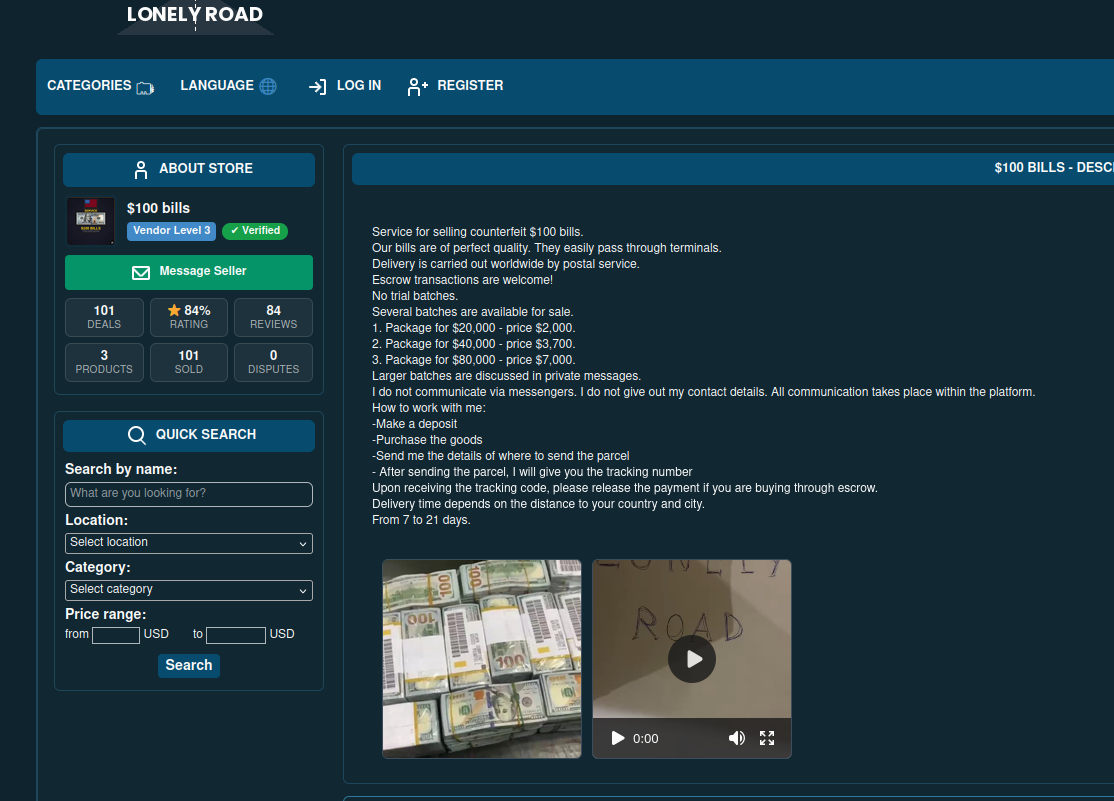 Denver Man's Attempt to Use Counterfeit Bills Ends in ArrestA Denver man attempts to deposit counterfeit $100 bills via ATMs, but is caught by the U.S. Secret Service after the bank flags suspicious…
 Dark Web Browsers List: Choosing the Right ToolExplore the essential dark web browsers list to enhance your online privacy and security while navigating the dark web safely.